Hrvatski
Corrosion is one of the most common, yet often overlooked problems in the operation of hydraulic systems and industrial machinery. Although it develops gradually and often goes unnoticed, its consequences can be significant: reduced system efficiency, increased wear of components, and ultimately costly failures and downtime.
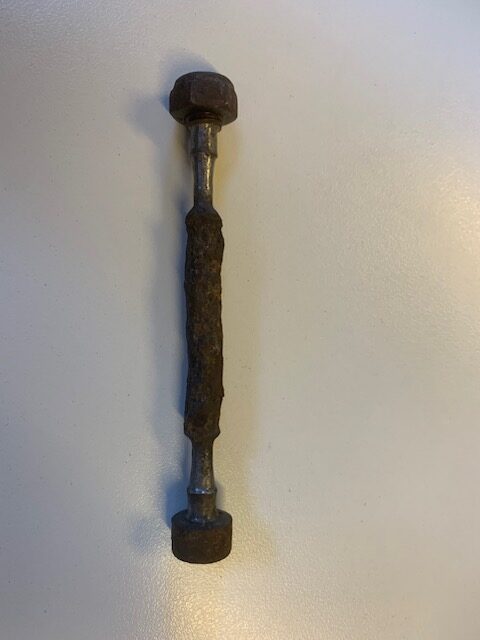
In hydraulic systems, corrosion most often occurs due to the presence of moisture, air, or contaminants in the oil. When water enters hydraulic oil, it can trigger chemical reactions that lead to rust formation on metal components such as cylinders, valves, pumps, and pipelines. Over time, this causes surface damage, leakage, pressure loss, and irregular system operation.
In addition to mechanical damage, corrosion can also lead to contamination of hydraulic oil with fine metal particles. These particles further accelerate component wear, creating a cycle that significantly shortens the service life of the equipment.
How to Prevent Corrosion
Preventing corrosion is essential for reliable and long-term operation of hydraulic systems. Several basic measures can significantly reduce the risk:
- Regular inspection and analysis of hydraulic oil
- Maintaining filtration systems in proper working condition
- Preventing moisture from entering the system
- Regular servicing and inspection of components
- Using high-quality oils and protective additives
Proper maintenance is not only a matter of machine longevity, but also of operational safety and reducing the costs associated with unexpected downtime.
Corrosion may seem like a small and slow process, but its impact on hydraulic systems can be substantial. That is why timely prevention and regular monitoring are the best protection for reliable machine operation and a long equipment lifespan.